Table of Contents

You own land. It sits there. Taxes come due twice a year. Maintenance costs accumulate. Yet the land generates nothing—just expenses and the nagging feeling that you're missing opportunities.
You're not alone. Millions of Americans own vacant land that produces zero income while consuming resources. Whether you inherited property, purchased land as an investment, or simply haven't figured out what to do with that rural acreage or empty lot, you're sitting on unrealized potential.
The good news? Vacant land can become a powerful passive income generator without requiring you to quit your job, move to the property, or make massive capital investments. From leasing to farmers and energy companies to hosting campers and storing boats, creative landowners are discovering dozens of ways to monetize idle property.
This comprehensive guide explores over fifteen proven strategies for turning vacant land into passive income. We'll examine what works, what doesn't, the realistic earnings you can expect, the legal and practical considerations you must address, and the step-by-step processes for implementing each strategy. Whether you own two acres or two hundred, urban lots or rural farmland, mountainous terrain or flat prairie—opportunities exist to make your land work for you.
Understanding Vacant Land as an Asset: Why It's Worth Monetizing

Before diving into specific strategies, understanding why vacant land represents valuable opportunity provides important context.
The True Cost of Idle Land
Vacant land isn't free to own. Every year you pay:
Property Taxes: Depending on location and assessed value, annual property taxes can range from hundreds to thousands of dollars. In high-tax states like New Jersey or Illinois, even modest parcels can cost $1,000-$3,000+ annually.
Insurance: Liability insurance protects against injuries on your property. While cheaper than homeowner's insurance, it still represents ongoing expense.
Maintenance: Even unimproved land requires:
- Brush clearing and fire prevention in wildfire-prone areas
- Weed control to prevent code violations
- Road or access maintenance
- Fence repair if fenced
- Periodic inspections
Lost Opportunity Cost: Money tied up in land could be invested elsewhere earning returns. If your land sits idle, you're missing both direct income and investment opportunity.
Example: A 10-acre rural parcel costing $2,000 annually in taxes and maintenance represents $20,000 over ten years—without generating a penny of income. Even modest monetization covering costs improves your position significantly.
The Advantages of Land as an Investment
Despite costs, land offers unique benefits as an asset class:
No Depreciation: Unlike buildings or equipment that deteriorate, land doesn't wear out. Properly maintained raw land retains value indefinitely.
Limited Supply: They're not making more land (except small artificial additions). Scarcity supports long-term value appreciation, especially near growing population centers.
Lower Maintenance Than Buildings: No roof repairs, no HVAC systems, no plumbing issues—land is dramatically simpler and cheaper to maintain than structures.
Flexibility: Land can be used for countless purposes without permanent alterations. You can lease for farming one decade, solar the next, then develop if desired.
Appreciation Potential: While not guaranteed, land values historically appreciate, particularly:
- Near expanding urban areas
- In regions with growing populations
- In areas with limited development restrictions
- With desirable features (water, views, accessibility)
Tax Benefits: Depending on use, land may qualify for:
- Agricultural exemptions reducing property taxes
- Conservation easements providing tax deductions
- Timber or mineral depletion allowances
- Like-kind exchange (1031) treatment when selling
Why Monetization Makes Sense
Covering Carrying Costs: Even breaking even on expenses transforms land from financial drain to neutral asset while maintaining ownership and benefiting from appreciation.
Building Equity: Income from land can fund improvements, pay down mortgages, or be reinvested—building wealth over time.
Retirement Income: Land income can supplement retirement without depleting principal, providing steady cash flow indefinitely.
Flexibility and Control: Unlike selling, monetization lets you retain ownership and control, pivoting strategies as circumstances change.
Community Benefit: Many monetization strategies—community gardens, conservation, recreation access—provide community benefits while generating income, creating goodwill and positive relationships.
Strategy 1: Agricultural Leasing and Farming Opportunities
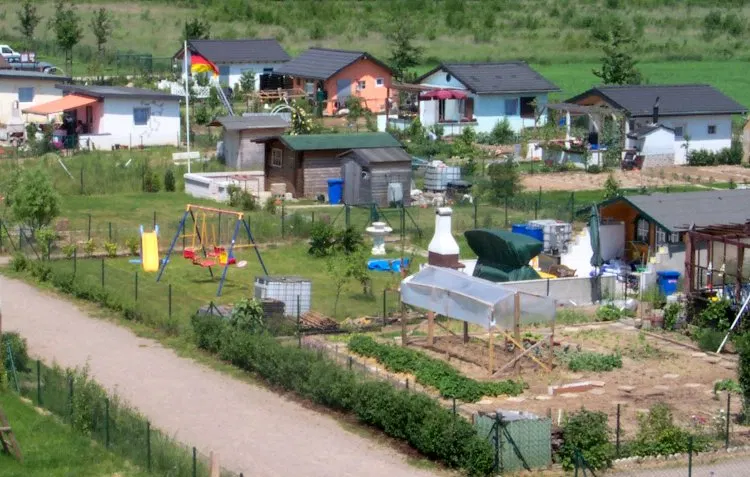
Agricultural leasing represents one of the oldest and most straightforward methods of generating passive income from land.
Traditional Crop Farming Leases
How It Works: You lease land to farmers who plant, maintain, and harvest crops, paying you either:
- Cash rent: Fixed annual payment per acre
- Crop share: Percentage of harvest value (typically 25-40% to landowner)
- Flexible arrangements: Combining fixed base with crop share bonuses
Typical Rates: Vary dramatically by location and soil quality:
- Prime Midwest farmland: $200-$400+ per acre annually
- Good farmland: $100-$200 per acre
- Marginal farmland: $25-$75 per acre
- Premium specialty cropland: $500+ per acre
Best Land Characteristics:
- Flat or gently rolling terrain
- Good soil quality and drainage
- Access to water for irrigation
- Road access for equipment
- Minimum 10-20 acres (larger is more attractive)
Example: A 40-acre parcel in Iowa's corn belt might lease for $250 per acre, generating $10,000 annually. The farmer handles all work while you receive steady income and the land maintains agricultural tax exemptions.
Livestock Grazing Leases
How It Works: Ranchers lease pastureland for cattle, sheep, goats, or horses, typically paying per acre or per animal unit month (AUM—the amount of forage one cow and calf consume in a month).
Typical Rates:
- Rangeland: $10-$30 per acre annually or $15-$40 per AUM
- Improved pasture: $30-$75 per acre annually
- Premium pasture: $75-$150+ per acre
Advantages:
- Minimal improvements required
- Grazing controls brush and weeds
- Lower soil quality requirements than crops
- Works on hilly or rocky terrain unsuitable for farming
- Maintains land in agricultural classification
Considerations:
- Fencing requirements (cost-sharing common)
- Water access critical
- Livestock damage liability
- Overgrazing prevention provisions in contracts
Specialty and Organic Farming
High-Value Crops: Certain specialty crops command premium lease rates:
Organic Farming: Certified organic farmland leases for 25-50% premiums over conventional, as organic certification adds value.
Specialty Produce:
- Lavender farms
- Hops for craft breweries
- Vegetables for farm-to-table restaurants
- Cut flowers for florists and events
Vineyards: Wine grape production on suitable land can generate $500-$2,000+ per acre through leasing or profit-sharing arrangements.
Hemp and CBD: Where legal, hemp farming has attracted interest, though market volatility creates risk.
Orchards: Leasing to fruit and nut growers on appropriate land.
Example: A 5-acre parcel near a metropolitan area might lease to an organic vegetable grower for $300-$500 per acre ($1,500-$2,500 total), far exceeding conventional crop rates.
Hay Production
Lower-Maintenance Option: If full farming feels complex, hay production offers simpler alternative:
- Lease land to hay farmers
- Lower rates ($40-$100 per acre typically)
- Minimal soil quality requirements
- Works on smaller parcels
- Less intensive than row crops
Apiculture (Beekeeping) Leases
Beekeepers need land for hive placement:
- Typically pay $25-$100 per hive annually
- Requires minimal space (10-20 hives on 1 acre)
- Pollination benefits your land
- No significant land alteration required
- Additional income if you negotiate honey share
Example: Hosting 15 hives at $50 each generates $750 annually on less than an acre.
Getting Started with Agricultural Leasing
Step 1: Assess Your Land:
- Soil testing to determine quality and crop suitability
- Survey boundaries clearly
- Evaluate water access and drainage
- Document existing improvements
Step 2: Determine Market Rates:
- Contact local Farm Service Agency for area rates
- Talk to county extension agents
- Consult neighboring landowners
- Research comparable leases
Step 3: Find Farmers:
- Contact local farmers directly
- List with agricultural real estate brokers
- Post on farming community boards
- Advertise in agricultural publications
- Join local farm organizations
Step 4: Structure the Lease:
- Use written farm lease agreements (templates available through extension offices)
- Specify lease term (1-3 years typical for crops, longer for permanent plantings)
- Define maintenance responsibilities
- Address liability and insurance
- Include provisions for conservation practices
Step 5: Maintain the Relationship:
- Conduct annual property inspections
- Communicate openly about concerns
- Be flexible during agricultural hardships (drought, price crashes)
- Build long-term partnerships
Advantages and Challenges
Advantages:
- Very passive once established
- Long-term tenant relationships common
- Maintains land in productive use
- Agricultural tax benefits
- No structural improvements required
Challenges:
- Income varies with agricultural commodity prices
- Tenant financial difficulties can mean missed payments
- Land condition monitoring necessary
- Requires suitable land characteristics
- Finding reliable farmers in some areas
Strategy 2: Renewable Energy Leasing (Solar and Wind)
Renewable energy leasing has emerged as one of the most lucrative and truly passive land income strategies.
Solar Farm Leasing
How It Works: Solar energy companies lease land to install photovoltaic panels generating electricity sold to utilities or directly to consumers.
Ideal Land Characteristics:
- Relatively flat (less than 5% slope preferred)
- Minimal shading from trees or structures
- Adequate sun exposure (southern latitudes better, but viable in most U.S. locations)
- Proximity to transmission lines (within 1-2 miles ideally)
- Good ground conditions for panel foundations
- Minimum size: Usually 10-20 acres minimum, though utility-scale projects prefer 100+ acres
Typical Lease Rates:
- $500-$2,000 per acre annually for utility-scale solar farms
- 25-40 year lease terms with escalation clauses
- Upfront payments or lease prepayments sometimes offered
- Higher rates in premium locations near dense population centers
Example: A 50-acre solar farm leasing at $1,000 per acre generates $50,000 annually. Over a 25-year lease, that's $1.25 million in total payments (not adjusted for inflation—actual payments higher with escalation).
The Process:
Initial Contact: Solar developers actively seek suitable land. You can:
- Contact solar developers directly
- List land with renewable energy brokers
- Respond to developer inquiries (they research areas intensively)
Due Diligence: Developers conduct extensive studies:
- Solar resource assessment
- Environmental impact studies
- Interconnection feasibility (can electricity reach the grid?)
- Soil and geotechnical testing
- Title and zoning verification
Negotiation: Key lease terms to negotiate:
- Lease rate (per acre vs. revenue share)
- Escalation provisions (annual increases)
- Lease term and extension options
- Decommissioning requirements (panel removal after project ends)
- Damage deposits
- Retained land uses (can you still use portions?)
Approvals: Projects require:
- Zoning approval/variance
- Environmental permits
- Utility interconnection agreements
- Building permits
Construction: Takes 6-18 months, during which you typically receive reduced "development rent."
Operation: Once operational, panels require minimal maintenance. Your involvement is essentially zero beyond receiving annual payments.
Wind Farm Leasing
How It Works: Wind energy companies lease land for wind turbine installation.
Ideal Land Characteristics:
- Strong consistent winds (class 3 or higher wind resource)
- Minimal obstructions
- Good transmission access
- Land doesn't need to be flat (ridgelines and hilltops often ideal)
- Larger parcels (wind farms typically 1,000+ acres with turbines spaced across area)
Typical Lease Rates:
- $3,000-$8,000+ per turbine annually
- Alternative: 3-6% of revenue generated by turbines on your land
- Minimum acreage payments if turbine density is low
Example: A large rural property hosting 5 wind turbines at $5,000 each generates $25,000 annually, with turbines occupying only small footprints while most land remains usable for agriculture.
Unique Advantages:
- Turbines occupy minimal ground space
- Land between turbines remains usable for farming/grazing
- Very long-term leases (25-40 years)
- Substantial payments per turbine
Unique Challenges:
- Wind resources limited to specific geographic areas
- Significant local opposition in some areas (visual/noise concerns)
- More complex approval processes than solar
- Fewer suitable locations overall
Battery Storage Leasing
Emerging Opportunity: As renewable energy expands, battery storage facilities are increasingly needed:
- Store excess solar/wind energy
- Provide grid stability
- Require minimal land (often 1-10 acres)
- Lease for $2,000-$5,000+ per acre near existing renewable projects
- Often located adjacent to solar farms
Getting Started with Renewable Energy Leasing
Step 1: Evaluate Your Land:
- Research solar and wind resources for your location
- Map transmission line proximity
- Assess access and development feasibility
- Review zoning and land use restrictions
Step 2: Contact Developers:
- Research companies active in your state
- Submit land information to multiple developers
- Consider working with renewable energy land brokers
- Join landowner associations for guidance
Step 3: Understand the Timeline:
- Initial discussions to lease signing: 6-18 months
- Development and permitting: 1-3 years
- Construction: 6-18 months
- Income begins when operational: 2-5 years from initial contact typically
Step 4: Negotiate Wisely:
- Hire attorney experienced in energy leases
- Ensure decommissioning provisions adequate
- Understand tax implications (passive income, potential depreciation benefits)
- Consider upfront payments vs. higher annual rates
Advantages and Challenges
Advantages:
- Extremely passive once operational
- Very high income per acre
- Long-term stable income with escalation
- Environmentally beneficial
- Property can appreciate due to income stream
Challenges:
- Long development timeline before income starts
- Not all land is suitable
- Community opposition possible
- Complex legal and technical aspects
- Long-term commitment (difficult to exit mid-lease)
Strategy 3: Recreational Land Uses (Hunting, Camping, and Outdoor Activities)
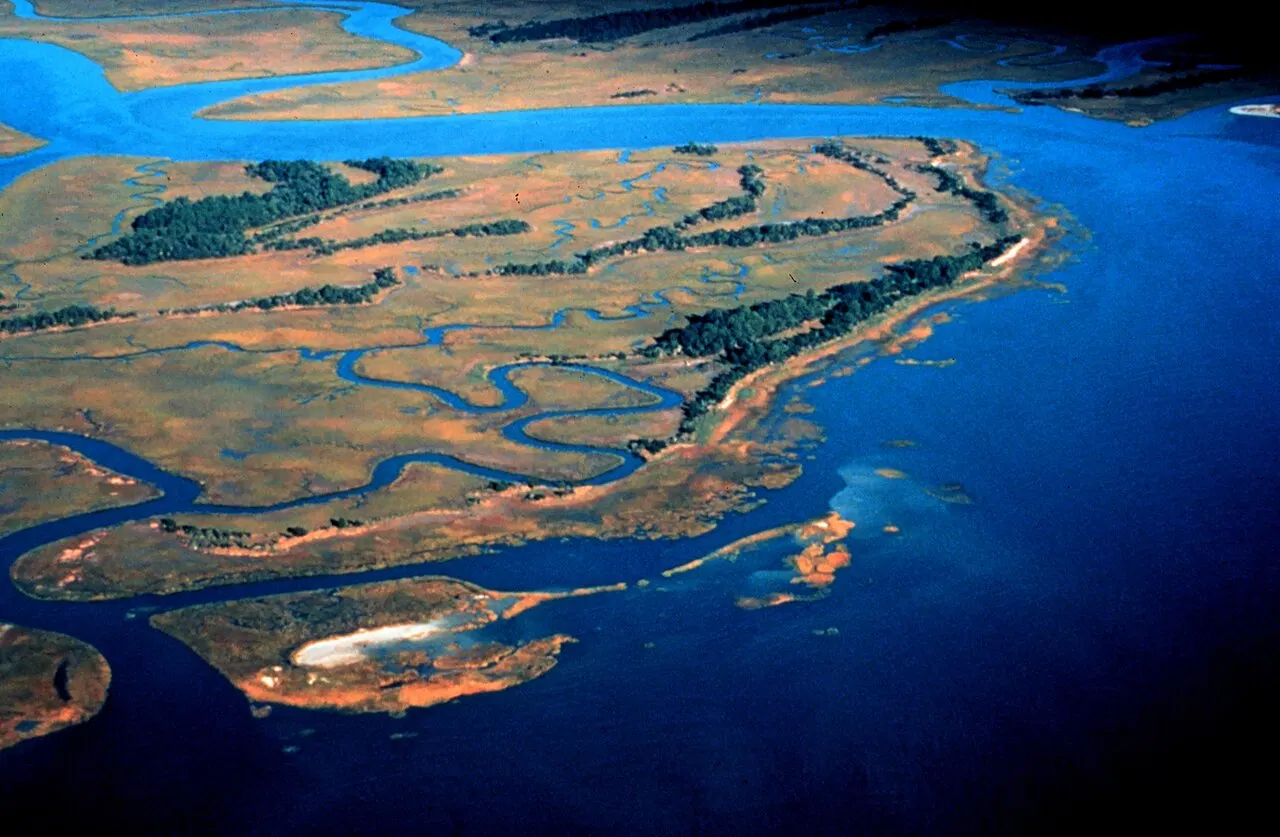
Recreational leasing allows outdoor enthusiasts to access your land, paying for the privilege while you retain ownership.
Hunting Leases
How It Works: Lease hunting rights to individuals or groups for specific seasons or year-round access.
Typical Rates: Vary widely by region, game availability, and land quality:
- Basic hunting leases: $5-$15 per acre annually
- Quality deer hunting: $15-$30 per acre
- Premium trophy hunting: $30-$50+ per acre
- Alternative pricing: Per hunter ($500-$3,000+ per hunter annually)
Example: A 100-acre property with good deer population might lease to a hunting club for $2,000-$4,000 annually, or to 4-5 individual hunters at $500-$800 each.
Types of Arrangements:
Exclusive Leases: Single hunter or group has sole access:
- Higher rates
- Fewer management headaches
- Less property wear
- Simpler liability management
Non-Exclusive Leases: Multiple hunters or groups access same property:
- Lower per-hunter rates
- More total income potential
- Higher management requirements
- Increased liability concerns
Seasonal vs. Year-Round: Some leases cover only specific hunting seasons; others provide year-round access for scouting, trail camera maintenance, etc.
Popular Game and Regions:
- White-tailed deer: Throughout most of U.S., especially South and Midwest
- Turkey: Spring and fall seasons nationwide
- Waterfowl: Near wetlands and flyways
- Upland game (pheasant, quail, dove): Agricultural areas
- Big game (elk, bear, etc.): Western states
Getting Started:
Improve Hunting Quality:
- Plant food plots
- Create water sources
- Establish bedding areas
- Implement wildlife-friendly management
- Limit hunting pressure
Find Hunters:
- Websites like Base Camp Leasing, Hunt Fish Lease, and Hunting Lease Network
- Local hunting shops and shooting ranges
- Word of mouth and referrals
- Social media hunting groups
Create Written Agreements:
- Specify dates, hours, and areas accessible
- Define allowed weapons and game
- Establish safety rules
- Address liability insurance (require hunters carry it)
- Set harvest limits and wildlife management rules
- Include termination provisions
Liability Considerations:
- Post property clearly
- Require proof of insurance from lessees
- Maintain liability insurance yourself
- Consider LLC ownership structure
- Know your state's recreational use statutes (many provide landowner liability protections)
Camping and Glamping
Traditional Camping: Lease sites for tent camping:
- Rates: $20-$50 per night per site
- Weekend and seasonal demand
- Minimal improvements needed (cleared sites, possibly fire rings)
- Portable toilet or bathroom facilities improve appeal
RV Camping: If you can provide electric and water hookups:
- Rates: $30-$75+ per night
- Long-term monthly rates: $300-$800+
- Higher income but requires infrastructure investment
Glamping (Glamorous Camping): Higher-end camping with amenities:
- Platform tents, yurts, tiny houses, or treehouses
- Rates: $100-$300+ per night
- Requires significant upfront investment
- Higher maintenance and management
Platforms for Marketing:
Hipcamp: Leading platform connecting landowners with campers:
- List your land with photos and descriptions
- Set your own rates and rules
- Hipcamp handles booking and payment (takes commission)
- Provides $1 million liability insurance coverage
- Landowners report earnings of $3,000-$20,000+ annually
Tentrr: Pre-fabricated glamping sites:
- Tentrr provides equipment (tent, bedding, etc.)
- Landowner provides location
- Revenue split with Tentrr
- More standardized, less customization
Direct Booking: Create your own website and handle bookings:
- Keep full revenue
- More work
- Need to market yourself
- Handle customer service
Example: A landowner with 20 wooded acres lists 3 campsites on Hipcamp at $35/night. With 50% occupancy during the 6-month season (May-October), that's approximately 90 nights × 3 sites × $35 = $9,450 annually, minus Hipcamp's commission.
Other Recreational Uses
ATV and Off-Road Vehicle Access:
- Lease riding trails: $200-$500+ annually per rider
- Daily fees: $25-$50 per vehicle
- Works well on rough terrain unsuitable for other uses
Fishing:
- Private pond or lake access
- Daily permits: $10-$50
- Annual memberships: $200-$1,000+
- Stock fish to improve experience
Paintball and Airsoft:
- Wooded areas ideal
- Charge per player or per group
- Weekend warrior market
- Liability concerns significant
Mountain Biking:
- Trail development partnerships
- Race/event hosting
- Daily/annual passes
Horseback Riding:
- Trail access leases
- Boarding facilities with trail access
- Event hosting
Advantages and Challenges
Advantages:
- Works on land unsuitable for many other uses
- Can combine multiple recreational uses
- Relatively low infrastructure requirements
- Seasonal income generation
- Platforms like Hipcamp simplify management
Challenges:
- Liability concerns (insurance essential)
- Property damage possible
- Active management during use seasons
- Inconsistent income (weather, seasonal, economic dependent)
- Insurance can be expensive
- Not truly "passive" compared to some alternatives
Strategy 4: Storage Solutions (RV, Boat, Vehicle, and Equipment)

Storage leasing provides simple, relatively passive income with consistent demand in many areas.
RV and Boat Storage
Market Demand: Storage shortages exist in many areas:
- HOAs prohibit RV/boat storage at homes
- Lack of space in urban/suburban areas
- Seasonal storage needs
- Commercial storage facilities have waiting lists
Types of Storage:
Open/Uncovered Storage: Simplest approach:
- Clear, level area
- Gravel or crushed stone surface
- Fencing for security
- Rates: $50-$150 per month per vehicle
Covered Storage: Carports or pole barns:
- Weather protection
- Rates: $100-$250 per month
- Higher initial investment
- Premium rates justify costs
Indoor Storage: Fully enclosed buildings:
- Maximum protection
- Rates: $150-$400+ per month
- Highest investment
- Highest returns
Setup Requirements:
- Level ground or grading
- Secure fencing (6-8 feet with locking gate)
- Adequate access road
- Insurance
- Possibly lighting for security
Typical Returns:
Example 1: Urban/suburban lot with 20 RV spaces:
- Setup costs: $10,000-$20,000 (fencing, gravel, minimal)
- Monthly income: 20 spaces × $75 = $1,500
- Annual income: $18,000
- ROI: 90-180% first year, 100% profit thereafter
Example 2: Rural property with simple fencing:
- Setup: $5,000
- 10 spaces × $50 = $500 monthly ($6,000 annually)
- Lower rates but still covers land costs
Vehicle and Equipment Storage
Construction Equipment: Contractors need storage for:
- Heavy equipment
- Material stockpiles
- Staging areas
- Rates: $100-$500+ monthly depending on space needed
Commercial Vehicle Fleets:
- Delivery vehicles
- Work trucks
- Company cars overnight
- Rates: $50-$150 per vehicle monthly
Classic Car Storage:
- Enthusiasts seek secure storage
- Climate control optional but premium
- Rates: $150-$400+ monthly
Trailer Storage:
- Commercial trailers
- Utility trailers
- Horse trailers
- Rates: $30-$75 monthly
Getting Started with Storage
Step 1: Check Regulations:
- Zoning permits commercial storage?
- Business license required?
- Property tax classification changes?
- Insurance requirements?
Step 2: Prepare the Property:
- Clear and level areas
- Install fencing and gates
- Add gravel/crushed stone
- Consider security cameras
- Install signage
Step 3: Market Your Storage:
- Craigslist and Facebook Marketplace
- Google My Business listing
- Signage on property
- RV and boat clubs/forums
- Contractor associations for equipment storage
Step 4: Manage Tenants:
- Written storage agreements
- Automatic payment collection (ACH or credit card)
- Clear rules about access, maintenance, prohibited items
- Annual inspections
- Lien rights in agreements (if allowed in your state)
Advantages and Challenges
Advantages:
- Very passive once established
- Consistent monthly income
- Relatively low setup costs
- High demand in many markets
- Scalable (add spaces as demand grows)
- Works on less-than-ideal land
Challenges:
- Zoning restrictions in some areas
- Initial infrastructure investment
- Liability for stored items
- Security concerns
- Property tax increases possible
- Finding tenants initially may take time
Strategy 5: Timber and Forestry Management

For wooded land, timber represents a renewable resource providing periodic income.
Sustainable Timber Harvesting
How It Works: Harvest mature trees for lumber, allowing forest to regenerate naturally or through replanting.
Typical Cycle:
- Hardwood forests: 40-80 year rotation
- Softwood forests: 25-40 year rotation
- Selective harvesting: Ongoing, removing only mature trees
Potential Income:
- Highly variable by species, quality, and market
- Timber sales: $500-$5,000+ per acre depending on stand quality
- Not annual income but significant lump sums periodically
Example: A 50-acre hardwood forest might generate $75,000-$150,000 every 50 years from sustainable harvest—equivalent to $1,500-$3,000 annually when amortized.
Christmas Tree Farming
Active Management Required: While not passive, Christmas trees offer steady income:
- 6-10 year growth cycle
- Annual replanting creates ongoing revenue
- $40-$100+ per tree wholesale
- $50-$200+ retail (choose-and-cut operations)
Income Potential:
- 1,500-2,000 trees per acre
- Assuming 1,500 trees, 6-year cycle = 250 trees harvestable annually
- At $50 average = $12,500 per acre annually
Reality Check: Labor-intensive and requires active management, but more income per acre than almost any other use.
Firewood Sales
Lower-Value Timber: If your trees aren't quality lumber:
- Harvest for firewood
- Sell cords or fractions
- $150-$300+ per cord depending on species and market
Hunting Lease + Timber
Combination Strategy: Forest land can simultaneously:
- Provide hunting lease income annually
- Generate timber harvest income periodically
- Maximize land returns
Carbon Credits
Emerging Market: Landowners maintaining or growing forests can potentially sell carbon credits:
- Trees sequester carbon dioxide
- Credits sold to companies offsetting emissions
- Market still developing, rates vary
- Requires long-term commitment (typically 20-40 years)
- Income: $10-$50+ per acre annually (highly variable)
Example: The American Forest Foundation provides resources for family forest owners exploring carbon markets.
Getting Started with Timber
Step 1: Assessment:
- Hire consulting forester
- Timber cruise to assess volume, species, quality
- Create forest management plan
Step 2: Market Research:
- Timber prices fluctuate significantly
- Time harvest when prices favorable
- Identify potential buyers
Step 3: Sustainable Practices:
- Selective harvest vs. clear-cut
- Consider conservation easements
- Replant appropriate species
- Maintain wildlife habitat
Step 4: Execute Harvest:
- Hire licensed timber company
- Clear contract terms
- Supervise operation
- Ensure regulatory compliance
Advantages and Challenges
Advantages:
- Valuable resource on wooded land
- Renewable with proper management
- Can combine with hunting leases
- Carbon credit potential
- Appreciation of standing timber
Challenges:
- Long time horizons
- Market volatility
- Requires professional forestry expertise
- Environmental regulations
- One-time large payments create tax challenges
- Not passive during harvest operations
Strategy 6: Cell Towers, Billboards, and Infrastructure Leasing
Telecommunications and advertising infrastructure can generate substantial income from small land portions.
Cell Tower Leasing
How It Works: Telecommunications companies lease small land areas (typically 50×50 foot to 100×100 foot) for cell tower installation.
Typical Lease Terms:
- Initial monthly rent: $500-$2,000+ (varies greatly by location)
- Annual escalations: 10-15% every 5 years
- Lease terms: 25-40 years
- Upfront payments: Sometimes offered
Example: A cell tower lease starting at $1,500 monthly generates $18,000 annually. With escalations, over 25 years the total could exceed $600,000—from a 5,000 square foot land portion.
Location Requirements:
- Coverage gaps in carrier networks
- Adequate height and visibility
- Accessible for maintenance
- Not in protected areas
- Zoning allows towers
The Process:
- Carriers identify needs and contact landowners
- Site testing and approval
- Lease negotiation
- Permitting and approval
- Construction (3-12 months)
- Ongoing rental payments
Negotiation Tips:
- Hire specialized cell tower lease attorney
- Understand "master lease" vs. "sublease" structures
- Negotiate co-location rights (additional carriers pay rent)
- Include termination provisions protecting your interests
- Consider one-time payment vs. long-term rental trade-offs
Co-Location Income: After initial carrier, additional carriers may add equipment to the same tower:
- Each additional carrier: $500-$1,500+ monthly
- A single tower site might ultimately generate $3,000-$5,000+ monthly
Billboard Leasing
How It Works: Outdoor advertising companies lease land for billboard placement.
Ideal Locations:
- High-traffic roadways
- Good visibility and sight distance
- Allowed by local zoning
- Adequate setbacks from road
Typical Income:
- Rural locations: $100-$500 monthly
- Suburban locations: $500-$2,000 monthly
- Urban high-traffic locations: $2,000-$5,000+ monthly
- Depends on traffic count and billboard size
Digital Billboards: Command premium rents:
- $2,000-$10,000+ monthly
- Rotate multiple advertisements
- Higher initial investment from advertiser
- Greater returns to landowner
Process:
- Advertiser identifies location
- Traffic studies determine value
- Lease negotiation
- Permitting (many jurisdictions restrict billboards heavily)
- Installation
- Ongoing payments
Other Infrastructure
Electric Utility Easements:
- Power lines across property
- Typically one-time payments: $1,000-$10,000+ per acre of easement
- May reduce future development potential
Pipeline Easements:
- Natural gas, water, sewer lines
- One-time payments: $5,000-$50,000+ per acre depending on pipeline type and property location
- Annual damages during maintenance
Fiber Optic Cable:
- Internet infrastructure
- Smaller payments than other utilities
- Minimal land disturbance
Communication Equipment (Antennas, repeaters):
- Amateur radio clubs
- Emergency services
- Small payments: $50-$200 monthly
- Minimal space required
Advantages and Challenges
Advantages:
- Extremely passive income
- Uses minimal land area
- Long-term stable contracts
- High income relative to space used
- Property often remains usable for other purposes
Challenges:
- You don't choose these opportunities (they choose you based on location)
- Long-term commitments may impact future development
- Visual/aesthetic impacts
- Complex legal agreements requiring professional review
- Zoning and permitting can be difficult
Strategy 7: Event Venue and Activity Hosting
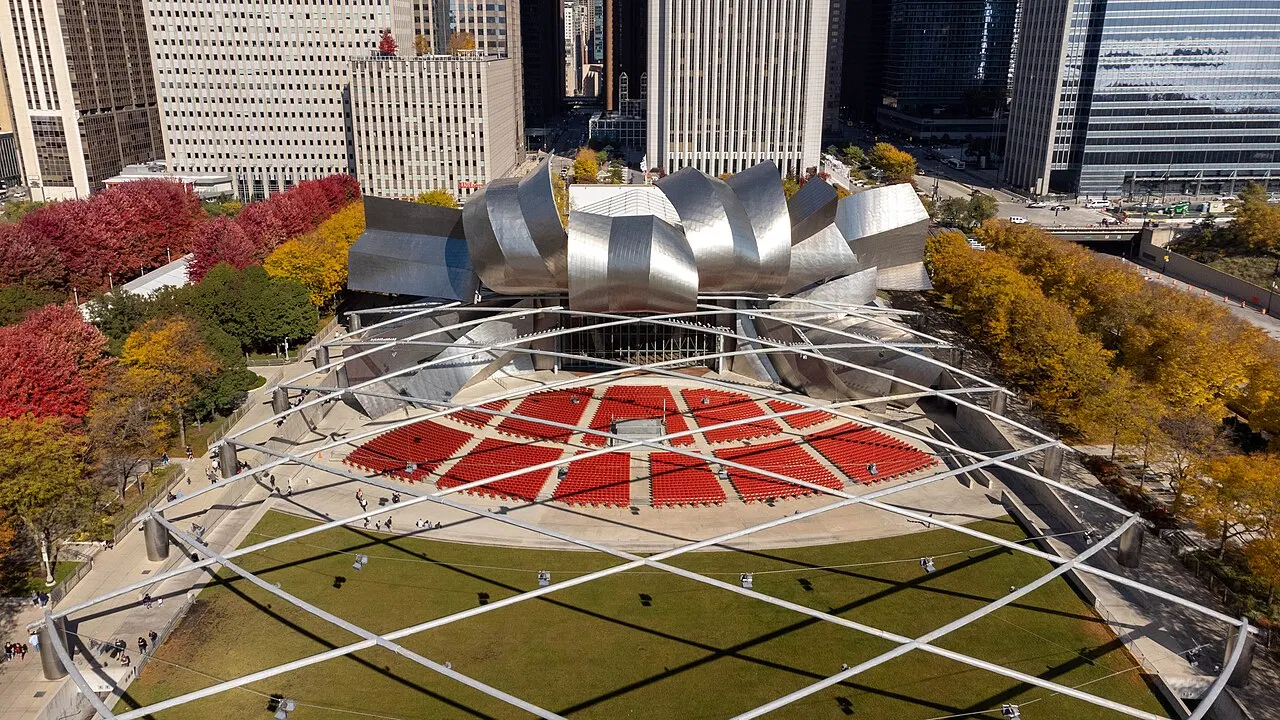
Event hosting transforms scenic or unique properties into income-generating venues.
Wedding and Event Venues
Market Demand: Couples increasingly seek unique outdoor wedding venues as alternatives to traditional halls:
- Rustic barn settings
- Garden ceremonies
- Lakefront or waterfront venues
- Mountain or scenic views
Income Potential:
- Venue rental fees: $2,000-$10,000+ per event
- Number of events: 15-30 annually typical (seasonal)
- Annual income: $30,000-$150,000+
Required Improvements:
- Parking area for 50-200 vehicles
- Restroom facilities (permanent or high-quality portable)
- Ceremony and reception areas (may be simple or elaborate)
- Power and lighting
- Weather backup (tent or structure)
- Basic landscaping and maintenance
Initial Investment: $25,000-$250,000+ depending on existing improvements and desired quality level.
Example: A landowner in a scenic rural area invested $75,000 in barn renovation, parking, and restroom facilities. Hosting 20 weddings annually at $4,000 each generates $80,000 gross income, covering investment in first year and providing ongoing income.
Getting Started:
- Research zoning (event venues face restrictions in many areas)
- Assess competition and market demand
- Determine investment level comfortable for you
- Create professional website and social media presence
- Network with wedding planners, photographers, caterers
- List on wedding venue directories (The Knot, WeddingWire)
Festival and Concert Venues
Large Properties: If you have substantial acreage:
- Music festivals
- Art fairs
- Food and wine festivals
- Cultural celebrations
Income: $5,000-$50,000+ per event depending on size.
Considerations:
- Significant infrastructure (stages, power, parking, sanitation)
- Permits and insurance complex
- Neighbors may object to noise and traffic
- Seasonal and weather-dependent
Corporate Retreats and Team Building
Professional Market: Companies seek retreat locations for:
- Strategic planning meetings
- Team-building exercises
- Executive retreats
Income: $2,000-$10,000 per day or weekend.
Requirements:
- Meeting facilities or space for tents
- Activity areas for team building
- Privacy and seclusion often valued
- Parking and access
Recreational Activities and Lessons
Activity-Specific Venues:
- Equestrian centers (boarding, lessons, events)
- Gun ranges and shooting sports
- Disc golf courses
- Zip lines and adventure courses
- Fishing or hunting guides
- ATV tours
Income Models: Vary by activity from $10-$100+ per person per session.
Advantages and Challenges
Advantages:
- High income potential per event
- Seasonal work for some models
- Multiple revenue streams possible
- Personal satisfaction from hosting celebrations
Challenges:
- Significant upfront investment
- Active management required (not passive)
- Liability concerns substantial
- Zoning and permitting challenges
- Weather and seasonal dependence
- Requires marketing and customer service
Strategy 8: Community Gardens and Allotments
Community gardening provides urban and suburban landowners a simple monetization strategy while serving community needs.
How It Works
Plot Rentals: Divide land into small garden plots (typically 10×10 to 20×20 feet) and rent to individuals or families:
- Annual fees: $25-$150 per plot
- Gardeners grow their own vegetables and flowers
- Landowner provides water access and basic infrastructure
Income Potential:
Example 1: Urban vacant lot (1/4 acre):
- 20 plots at 200 square feet each
- Annual fees: $75 per plot
- Annual income: $1,500
- Minimal ongoing work after initial setup
Example 2: Suburban acreage (1 acre dedicated to gardens):
- 50 plots
- Annual fees: $100 per plot
- Annual income: $5,000
Setup Requirements
Basic Infrastructure:
- Fencing (security and to keep wildlife out)
- Water source and distribution system
- Pathways between plots
- Parking area
- Tool shed or storage area (optional)
- Composting area (optional)
Initial Investment: $5,000-$15,000 depending on existing conditions.
Management
Rules and Regulations:
- Organic gardening requirements (or not)
- Prohibited plants or practices
- Maintenance expectations
- Common area responsibilities
- Seasonal schedules
Ongoing Work:
- Water system maintenance
- Waiting list management
- Conflict resolution between gardeners
- Annual plot re-assignments
- Light maintenance
Market and Demand
Strong Demand In:
- Urban areas where residents lack yard space
- Immigrant communities with strong gardening cultures
- Areas with food desert concerns
- Neighborhoods with environmental consciousness
Marketing:
- Community centers and libraries
- Local food co-ops and farmers markets
- Social media community groups
- Churches and cultural organizations
Beyond Basic Plot Rentals
Educational Programs: Offer workshops on:
- Organic gardening
- Composting
- Season extension
- Fees: $20-$50 per workshop
Youth Gardens: Partner with schools or youth organizations:
- Educational gardens for children
- Grant funding often available
- Community goodwill
Therapeutic Gardens: Partner with healthcare or senior organizations:
- Horticultural therapy programs
- Additional income or grants
Advantages and Challenges
Advantages:
- Low initial investment
- Community benefit creates goodwill
- Minimal ongoing work
- Can generate grants or sponsorships
- Works on small urban parcels
Challenges:
- Lower income per acre than most alternatives
- Requires some active management
- Gardener disputes occasionally arise
- Seasonal income (though can charge annual fees)
- Liability for injuries on property
Strategy 9: Land Improvements for Future Value
Sometimes the best strategy is improving land to increase value and attractiveness for sale or higher-rate leasing.
Infrastructure Improvements
Road and Access:
- Grading and graveling
- Culvert installation
- Bridge construction
- Cost: $5,000-$50,000+
- Value increase: Often exceeds cost
Utilities:
- Electric line extension
- Well drilling
- Septic system installation
- Cost: $10,000-$100,000+
- Dramatically increases marketability
Fencing:
- Perimeter fencing
- Interior cross-fencing
- Cost: $1-$3 per linear foot
- Makes land more attractive for livestock
Water Features:
- Pond construction
- Spring development
- Stock tank installation
- Cost: $5,000-$50,000+
- Recreation and livestock value
Land Clearing and Preparation
Brush Clearing: Converting overgrown land to usable condition:
- Cost: $500-$2,000 per acre
- Opens opportunities for multiple uses
Fire Mitigation: In wildfire-prone areas:
- Defensible space creation
- Fuel reduction
- Cost: $500-$3,000 per acre
- Increases insurability and reduces risk
Soil Improvement:
- Drainage systems
- Soil amendments
- Cost: Varies widely
- Improves agricultural potential
Subdivision and Platting
Creating Smaller Parcels:
- Subdivide large parcels into smaller lots
- Survey and platting costs: $5,000-$30,000+
- Smaller parcels often command premium per-acre prices
- Regulatory approval required
Example: 40-acre parcel purchased at $200,000 ($5,000 per acre). Subdivided into four 10-acre parcels, each sells for $75,000 ($7,500 per acre) = $300,000 total minus $20,000 subdivision costs = $80,000 profit.
Conservation Easements
Permanent Protection: Donate or sell development rights:
- Receive tax deduction for donated easement value
- Or receive payment for conservation easement sale
- Land remains yours but development restricted
- Reduces property taxes often
- Provides estate planning benefits
Income/Value: Tax deductions can reach $100,000+ depending on property value and easement restrictions.
Long-Term Strategy
Land improvements work best when:
- Planning eventual sale
- Positioning for higher-value leasing
- Building long-term value
- Taking advantage of low-interest financing
Return on Investment: Carefully selected improvements often return 150-300% of costs in increased property value.
Legal, Regulatory, and Insurance Considerations
Successful land monetization requires navigating legal requirements and protecting yourself from liability.
Zoning and Land Use Regulations
Understand Local Rules:
- Agricultural districts may restrict non-farm uses
- Residential zoning may prohibit commercial activity
- Commercial activities may require permits and approvals
- Environmental regulations protect wetlands, endangered species, etc.
Variance and Special Use Permits: Many creative land uses require approval:
- Present case to planning commission
- Demonstrate compatibility with surrounding area
- Address neighbor concerns
- Can take 3-6 months or more
Liability and Insurance
General Liability: Essential for virtually all land uses:
- Protects against injury lawsuits
- Commercial liability policies: $500-$2,000+ annually depending on activity
- Higher limits for higher-risk activities
Specific Coverage Needs:
- Event liability for weddings/gatherings
- Agricultural liability for farming operations
- Environmental liability for energy projects
- Product liability for timber or agricultural products
Recreational Use Statutes: Many states limit landowner liability when land is used for recreation:
- Applies only if no fees charged OR nominal fees
- Varies significantly by state
- Doesn't eliminate all liability
- Should still maintain insurance
Contracts and Agreements
Written Leases Essential:
- Define all terms clearly
- Specify responsibilities and liabilities
- Include insurance requirements
- Address termination conditions
- Use state-specific forms or attorney-drafted agreements
Key Contract Provisions:
- Length of term and renewal options
- Payment amounts and schedules
- Maintenance responsibilities
- Liability and insurance requirements
- Improvements and alterations
- Default and termination provisions
- Dispute resolution (mediation, arbitration)
Tax Implications
Income Taxation:
- Land income generally taxed as regular income
- Self-employment tax may apply if actively involved
- Expenses are deductible (maintenance, insurance, depreciation on improvements)
Property Tax Considerations:
- Agricultural exemptions can reduce property taxes dramatically
- Converting to commercial use may increase assessments
- Some uses maintain agricultural classification (hunting leases often do)
Capital Gains: Improvements increase property basis, reducing capital gains on eventual sale.
Environmental Compliance
Wetlands and Water Resources: Protected at federal and state levels:
- Permits required for activities affecting wetlands
- Water rights essential for irrigation-dependent uses
- Stream or pond modifications regulated
Endangered Species: Habitat for protected species creates restrictions:
- Before beginning activities, assess potential endangered species presence
- Violations can result in severe penalties
Soil Erosion: Agricultural and construction activities must control erosion.
Getting Started: Your Step-by-Step Action Plan
Ready to monetize your vacant land? Follow this systematic approach.
Phase 1: Assessment and Planning (Weeks 1-4)
Step 1: Analyze Your Land (Week 1):
- Review property deed and survey
- Walk property boundaries
- Document features (water, views, topography, vegetation, access)
- Take photographs
- Note any encumbrances or easements
Step 2: Research Regulations (Week 2):
- Contact county planning department about zoning
- Review land use restrictions
- Identify applicable regulations
- Determine what uses are allowed
Step 3: Evaluate Market Demand (Week 3):
- Research what similar properties in your area are used for
- Contact local brokers about leasing opportunities
- Check online platforms for similar listings and prices
- Talk to neighboring landowners
Step 4: Assess Your Resources (Week 4):
- How much can you invest in improvements?
- How much time can you dedicate?
- What's your risk tolerance?
- What's your timeline for returns?
Phase 2: Strategy Selection (Weeks 5-6)
Match Strategies to Your Situation:
If you have: Agricultural land → Consider farming leases as first option If you have: Sunny flat land near transmission → Explore solar leasing If you have: Wooded scenic land → Consider hunting leases or camping If you have: Urban/suburban lot → Storage or community gardens If you have: Land with views or character → Event venue possibilities
Consider Multiple Strategies: Many land uses are compatible:
- Hunting lease + timber management
- Solar farm + grazing on unshaded areas
- Camping + hunting leases (different seasons)
Start Small: Choose one strategy initially, expand after proving concept.
Phase 3: Implementation (Weeks 7-16)
Step 1: Make Necessary Improvements (Weeks 7-12):
- Prioritize infrastructure providing best return
- Start with minimal required improvements
- Get quotes from multiple contractors
- Phase improvements based on budget
Step 2: Create Legal Structure (Weeks 9-10):
- Consult attorney about liability protection (LLC?)
- Draft lease or rental agreements
- Obtain necessary permits and licenses
- Secure appropriate insurance
Step 3: Marketing and Finding Customers (Weeks 11-16):
- Create listings on relevant platforms
- Post on social media and classified sites
- Network in relevant communities
- Consider signage on property
Phase 4: Operations and Optimization (Ongoing)
Step 1: Manage Relationships:
- Maintain communication with lessees
- Conduct regular property inspections
- Address issues promptly
- Build long-term partnerships
Step 2: Track Performance:
- Monitor income vs. expenses
- Calculate actual returns
- Identify areas for improvement
- Document everything for taxes
Step 3: Iterate and Improve:
- Adjust strategies based on results
- Add complementary income streams
- Reinvest profits in improvements
- Scale what works
Common Mistakes to Avoid
Learning from others' mistakes saves time, money, and frustration.
Mistake 1: Inadequate Research
The Error: Jumping into monetization strategy without understanding regulations, market demand, or feasibility.
The Fix: Spend adequate time in assessment and planning phases. Talk to experts. Research thoroughly.
Mistake 2: Poor Contract Terms
The Error: Verbal agreements, vague terms, or one-sided contracts that don't protect your interests.
The Fix: Always use written agreements. Have attorney review. Specify all terms clearly.
Mistake 3: Insufficient Insurance
The Error: No liability coverage or inadequate limits.
The Fix: Consult insurance professional about appropriate coverage. Don't economize on insurance—it's small cost compared to lawsuit risk.
Mistake 4: Overestimating Income
The Error: Assuming immediate full occupancy or peak rates.
The Fix: Conservative financial projections. Plan for 50-70% occupancy initially. Budget for 6-12 months to reach full utilization.
Mistake 5: Underestimating Management Time
The Error: Expecting truly passive income from strategies requiring active management.
The Fix: Realistically assess time requirements. Choose strategies matching available time.
Mistake 6: Ignoring Tax Implications
The Error: Not planning for tax consequences or properly reporting income.
The Fix: Consult tax professional before implementing strategies. Keep meticulous records. Plan for tax liability.
Mistake 7: Neglecting Property Maintenance
The Error: Allowing property to deteriorate, creating liability hazards and decreasing value.
The Fix: Regular inspections and maintenance. Budget for upkeep. Address issues promptly.
Real-World Success Stories
Examining actual landowner experiences provides valuable insights.
Case Study 1: Solar Farm Success
Property: 40 acres, flat agricultural land in North Carolina Strategy: Solar farm lease Timeline: 2 years from initial contact to operational Income: $40,000 annually (25-year lease with escalations) Outcome: Property taxes reduced via solar exemption. Passive income exceeds what farming generated. Landowner retained 10 acres for personal use.
Lessons: Patient approach paid off. Multiple developer negotiations led to better terms. Attorney review essential for complex lease.
Case Study 2: Recreational Combination
Property: 100 acres, wooded hills in Pennsylvania Strategies: Hunting lease + Hipcamp camping Income: $6,000 hunting lease (year-round) + $4,000 camping (summer season) = $10,000 annually Investment: $3,000 (fencing, camping site improvements, trail marking) Outcome: Income covers all carrying costs plus profit. Landowner enjoys improved property amenities. Building reservations and reputation for future growth.
Lessons: Combining compatible uses maximized returns. Started small with camping (2 sites), expanding after success. Insurance critical with public access.
Case Study 3: Storage Facility
Property: 2-acre suburban lot near growing city Strategy: RV/boat storage Investment: $25,000 (fencing, gravel, lighting, gates) Income: 30 spaces at $85 average = $2,550 monthly ($30,600 annually) Outcome: Investment paid back in 10 months. Waiting list developed. Expanded to second acre.
Lessons: Location critical—near suburban homes where people couldn't store RVs. Gradual expansion minimized risk. Online payment systems reduced management time.
Case Study 4: Event Venue Challenge
Property: 10 acres with old barn, scenic rural location Strategy: Wedding venue Investment: $150,000 (barn renovation, restrooms, parking, landscaping) Income: Year 1: $45,000 (15 events); Year 2: $72,000 (18 events) Outcome: Slower initial bookings than anticipated. Active management required. Wife manages, husband maintains property—significant time commitment.
Lessons: More work than expected. Quality photos and online presence essential. Success required constant marketing. Profitable but not passive.
Conclusion: Turning Idle Land into Income-Generating Assets
Vacant land doesn't have to be a financial burden. With creative thinking, strategic planning, and modest investment, your idle property can become a reliable income source covering carrying costs, providing supplemental income, or even generating substantial wealth.
The strategies explored in this guide—from agricultural leasing to solar farms, from recreational uses to storage facilities—demonstrate that options exist for virtually every type of property in every location. The key is matching your land's characteristics with market demand, understanding regulatory requirements, protecting yourself legally, and implementing thoughtfully.
Success in land monetization requires:
Realistic Expectations: Most strategies won't make you rich overnight. Focus on steady, reliable income covering costs and gradually building returns.
Patience: Some of the highest-return strategies (like solar and wind leasing) have long timelines from initial contact to income generation. Quick returns usually come with lower overall income.
Proper Planning: Skip the research and planning phases at your peril. Understand regulations, market demand, and financial projections before committing resources.
Legal Protection: Written contracts, appropriate insurance, and potentially LLC structures protect your assets from liability risks inherent in allowing others to use your property.
Flexibility: Your first strategy may not work perfectly. Be willing to adjust, pivot, or try complementary approaches.
Long-Term Perspective: Land ownership is inherently a long-term investment. Most monetization strategies reward patience and consistent execution over time.
For many landowners, the goal isn't maximizing income but rather transforming land from expense to asset—from liability to resource. Even modest income covering property taxes and maintenance represents success, preserving the land for future appreciation while eliminating current financial drain.
Others may discover that creative land use generates substantial income, creating retirement security, funding other investments, or building generational wealth. The diverse success stories throughout this guide demonstrate what's possible when landowners think creatively about their properties' potential.
Perhaps most importantly, many land monetization strategies benefit communities while generating income—providing food through agriculture, clean energy through solar and wind, recreation access through camping and hunting, community gathering through gardens and events. This alignment of financial returns with community benefit creates sustainable models that garner support rather than opposition.
Your vacant land holds potential waiting to be unlocked. Whether you choose agricultural leasing, renewable energy, recreational uses, storage, timber management, or creative combinations, the opportunity exists to transform idle acreage into productive assets. The question isn't whether you can monetize your land, but rather which strategy best fits your property, goals, resources, and timeline.
Start with assessment, proceed with planning, implement thoughtfully, and optimize continuously. Your land's journey from vacant expense to income-generating asset begins with the decision to explore its potential. That journey may lead to modest supplemental income or substantial wealth creation—but either outcome beats watching land sit idle while expenses accumulate and opportunities pass untapped.
For additional resources and information about land investment and management, the Land Trust Alliance provides valuable information about conservation and responsible land stewardship, while the USDA Natural Resources Conservation Service offers technical and financial assistance programs for landowners implementing conservation practices that can complement income-generating activities.
Additional Reading
Consider reading more our blog posts and/or listing to the Money Viper podcast.
